
Modern Farming
Sandstone grows wheat, soya beans, maize, sunflowers and a wide range of cover crops.
Cultivating the Future Through Regenerative Farming
Sandstone has been committed to integrating regenerative farming practices since the concept was first introduced, and we believe that the harsh and uncompromising farming practices of the past involving heavy tillage and the use of artificial fertilisers are essentially behind us – although the transition is slow.
Cover Crops
Cover crops are one of the ways in which Sandstone is working towards protecting our soils, using a variety of functional plants to essentially keep the soil covered at all times. Wind and water erosion can be very damaging to one’s soils, and in nature that doesn’t happen easily because of a continuous protective blanket of flora over the landscapes. Modern farming rips that blanket aside which we believe to be unsustainable, and as a result Sandstone currently plants oats, cosmos, cowpeas, Japanese millet, buckwheat, babala and other varieties of plants as appropriate. Our cover crop programme involves providing over winter cover for fields recently harvested but is also used as a protective cover for fields that are taken out of production i.e. allowed to lie fallow.
Nature
On the question of letting nature assist arable fields to recover we are extremely committed to the idea of not over-working our lands. Nature has a unique way of slowly improving soil health on fields that are simply left alone to rest. Every few years we take a step back and we rest large portions of the farm – a decision that is reviewed annually based on global commodity prices and conditions. South Africa’s grain prices are directly tied to the world price of each commodity in US dollars and with a strengthening currency in South Africa and weak international prices many of the crops we would normally plant are already at break-even or below. Fortunately, Sandstone Estates has the resilience to take a step back when the planting of arable crops either in summer or winter is palpably unwise.
Wheat
One of the unique benefits of the Eastern Free State is that it is one of the few places in South Africa where we can grow wheat. The bulk of South Africa’s wheat comes from the Western Cape, which is a winter rainfall area. We also plant our wheat in winter in June and harvest it in December. There are risks involved because typically high felt winters are dry with little or no rain. In recent years, as a result of climate change, we are receiving higher levels of rainfall during winter which has made a substantial difference to the wheat crop yields.
The big advantage of a winter crop is that they have little competition from weeds so once the crop is planted there’s minimal need to intervene before the crop is harvested in December. Our most recent wheat crop which was 640 hectares achieved a yield of 3.7 tons a hectare against a normal year which would be nearer to 2 tons. We were fortunate that this high yield off – set the disadvantages of a relatively low global wheat price due to over production.
Farming News at Sandstone

Bringing in the Harvest with Steam!
Bringing in the Harvest with Steam!

REWILDING
REWILDING
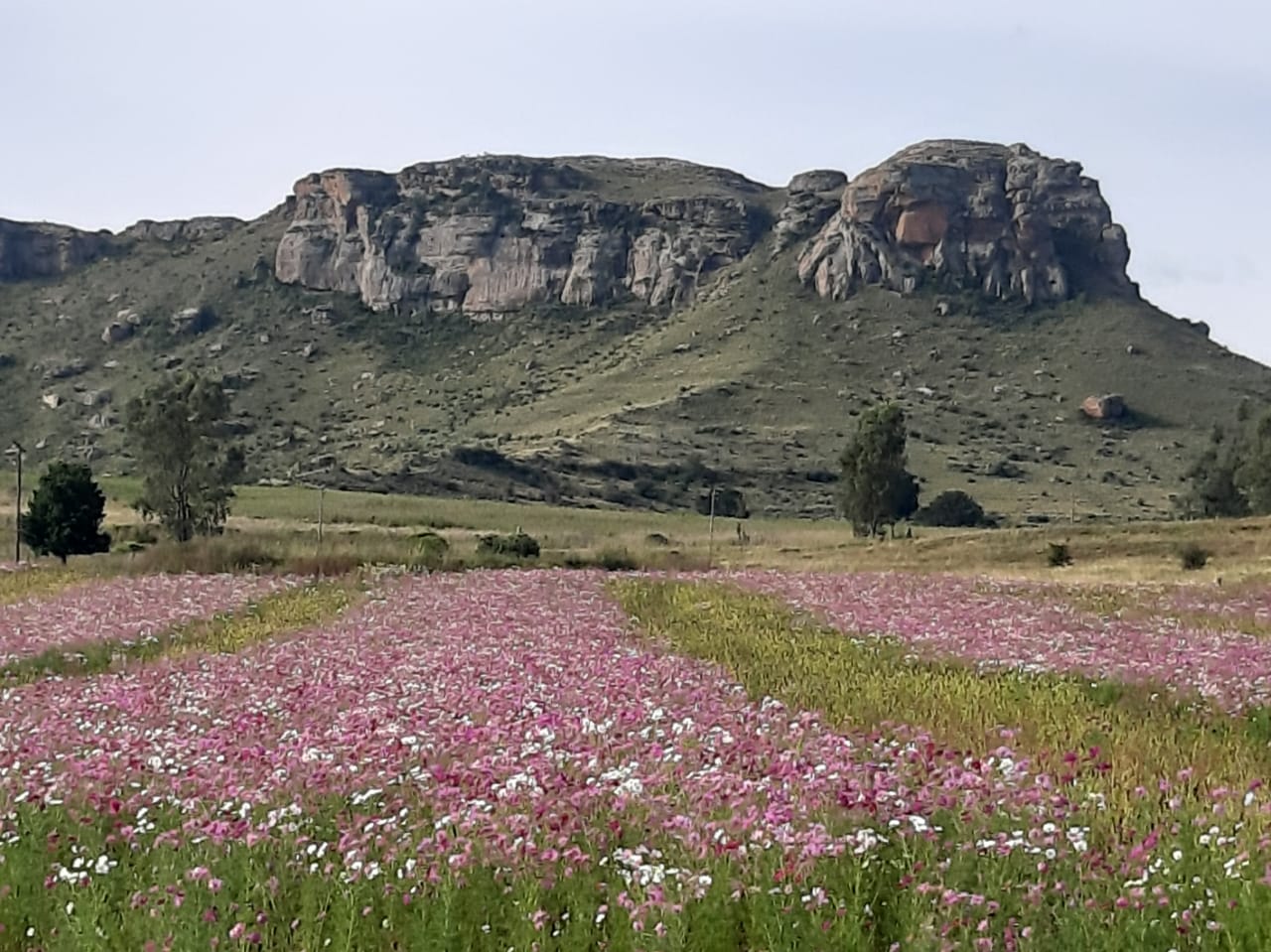
Weaners in the Cosmos
Weaners in the Cosmos
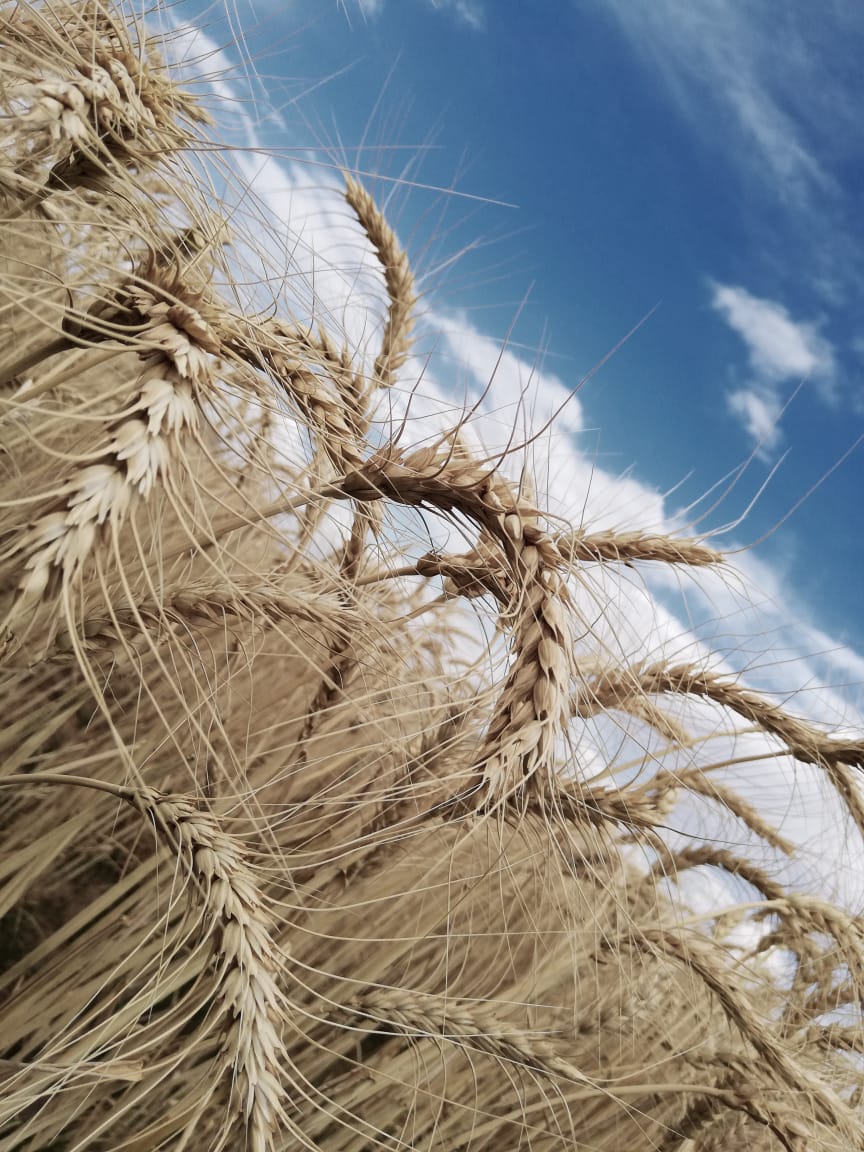
Bringing in the Harvest.
Bringing in the Harvest.
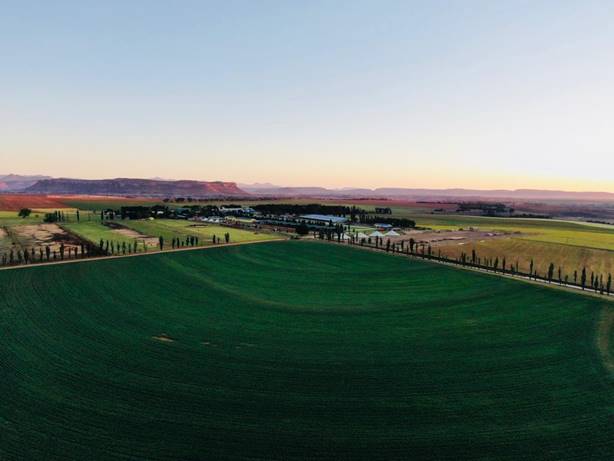
Sandstone Estates 2018 Wheat crop.
Sandstone Estates 2018 Wheat crop.
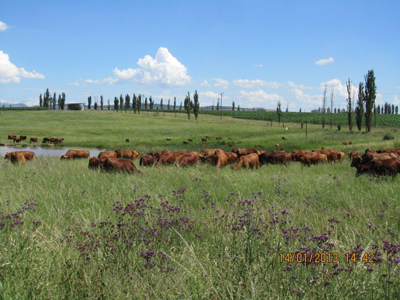
Cattle Farming in the Eastern Free State
Cattle Farming in the Eastern Free State
Experience Living History in Motion
Along the Caledon River and under the Maluti Mountains, Sandstone Estates is more than a destination, it’s a working farm and world-class heritage collection where steam, machinery, and history are restored, operated, and celebrated.
